
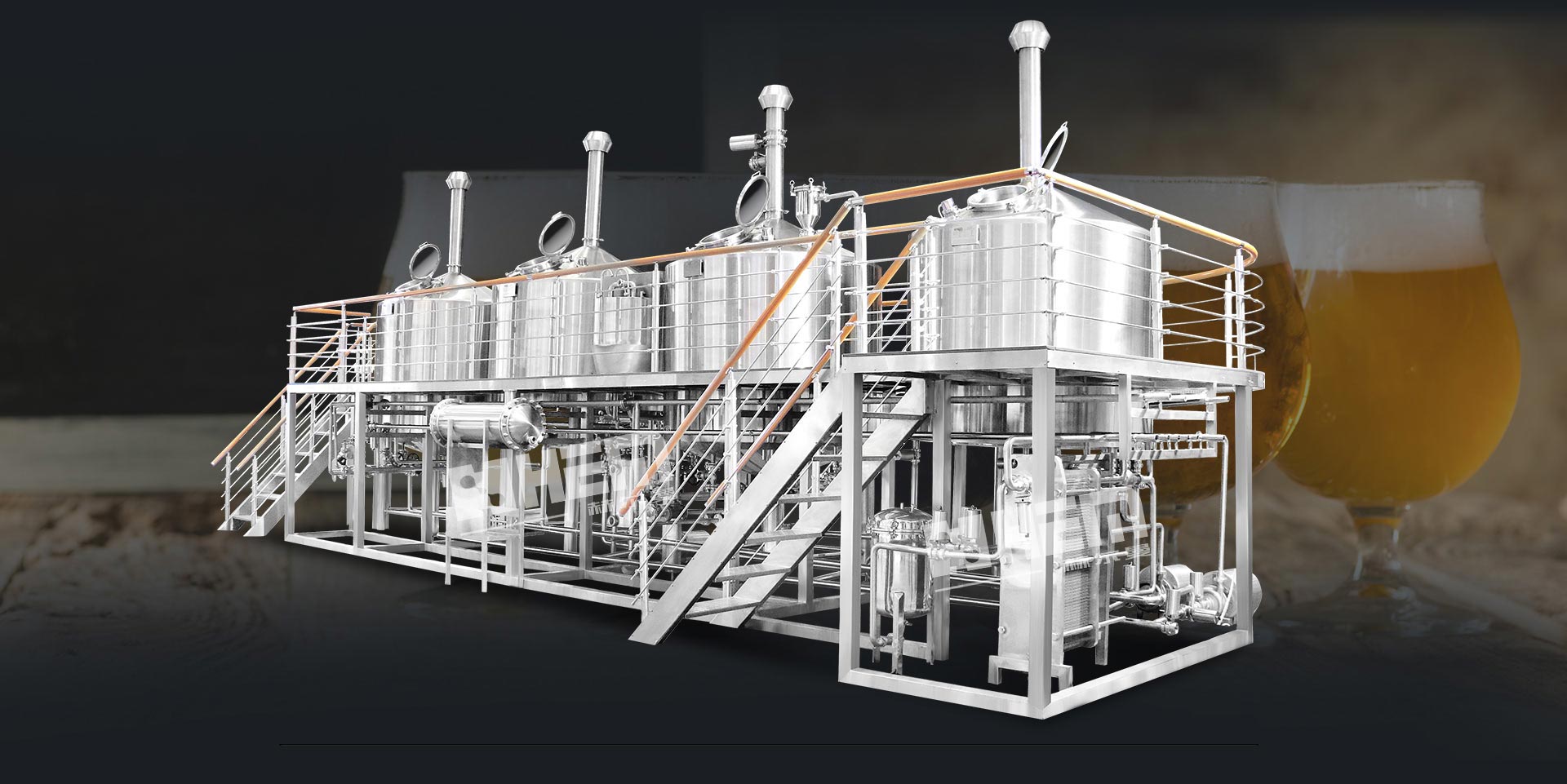
For a nascent brewery, initial capital allocation represents the most significant risk factor, as equipment inefficiency often leads to operational burn rates exceeding $2,500 per month in wasted energy and labor. Selecting the correct craft brewery system is not a matter of preference but a calculated decision to manage wort loss margins, which can fluctuate between 5% and 15% depending on vessel geometry and drainage design. High-performance systems integrated with automated sensors allow for real-time gravity monitoring, which, when optimized, reduces fermentation cycles by 10 to 15 days annually per tank. By prioritizing thermal recovery modules and scalable modular piping, startups can capture 12% to 18% in utility cost savings from the first quarter of operation. These technical specifications provide the necessary buffer to maintain quality control, ensuring that batch consistency remains stable even as production volumes scale from pilot batches to full-market distribution.
Launching a brewery is a process of balancing tight margins with the demand for product consistency. The equipment you select during the startup phase dictates your operational ceiling. Choosing the wrong setup early on creates technical debt that forces costly retrofits later, whereas the right system serves as an engine for predictable growth.
Precision engineering in the mash tun is the first step toward high-efficiency production. Systems with superior false-bottom designs and optimized raking mechanisms can boost extract yields to 83%, effectively lowering the amount of grain required per barrel. This efficiency directly impacts your bottom line as you navigate the fluctuating costs of raw ingredients.
In 2024, a startup brewery operating a custom-configured brewhouse reported that optimized whirlpool kinetics allowed them to recover an additional 5 liters of high-quality wort per 100 liters produced, compared to their initial off-the-shelf equipment.
Energy management remains a challenge for new facilities. Modern systems utilize plate-and-frame heat exchangers that recover up to 92% of thermal energy during the cooling stage. This energy is repurposed to pre-heat strike water, significantly reducing the load on your steam boiler and lowering monthly utility expenses.
| Operational Area | Impact of Proper Equipment |
| Extract Yield | 80%+ consistency |
| Cooling Speed | Sub-20 minute cycles |
| CIP Efficiency | 35% water reduction |
| Temp Stability | ± 0.2 ℃ precision |
Fermentation control is where brand identity is secured. Integrating RTD-based temperature monitoring ensures that yeast activity remains within the optimal range for the specific style being brewed. Data from 2023 indicates that closed-loop cooling circuits reduce diacetyl-related flavor defects by 14%, saving batches from being dumped or re-processed.
Modular design allows your facility to grow alongside your sales. By selecting systems that utilize standardized DIN or SMS fittings, you ensure that future additions—such as larger fermenters or automated canning lines—can integrate without replacing your core infrastructure. This avoids the cost of redundant hardware.
Automated process control handles the labor-intensive variables of brewing. Programmable Logic Controllers (PLCs) track pressure, flow, and temperature, enabling one brewer to manage multiple vessels simultaneously. This reduces manual intervention, freeing up time to focus on recipe development and marketing.
A 2025 survey of new breweries showed that those implementing automated ingredient hoppers with 10-gram weight accuracy reduced waste in specialty hop additions by 20%, preventing inconsistent flavor profiles during high-demand periods.
Sanitation is built into the architecture of high-quality systems. With internal surfaces polished to Ra < 0.4 μm, pipelines prevent the attachment of stubborn biofilms. Testing in 2024 demonstrated that this level of finish maintains a 99.8% sterility rate, drastically reducing the labor hours needed for deep cleaning.
Variable frequency drives (VFDs) provide granular control over pump motor speeds. By matching the motor output to the actual fluid viscosity in the pipes, these drives reduce electricity consumption by 25%. This prevents mechanical strain, extending the lifespan of your pumps and minimizing maintenance downtime.
Redundant power backups and data logging prevent the loss of entire batches during local power grid instabilities. In 2025, systems equipped with integrated UPS backups proved successful in maintaining fermentation schedules during outages, preventing the loss of up to $4,000 in raw material inventory.
Choosing the right system means investing in stability. By focusing on data-backed efficiency and modularity, you ensure that your brewery can maintain high output quality while keeping operational costs within reach of a startup budget.