
 In terms of cost-effectiveness, although the initial investment in intraoral scanners is relatively high, ranging from approximately $5,000 to $15,000, the return rate can reach 150% within 1 to 2 years, mainly due to the reduction in material costs and the decrease in error rates. Statistics show that the cost of traditional impression materials is about $2,000 per year, while digital scanning reduces related costs by 50%, and the scanner has a lifespan of 5 to 7 years, with maintenance costs accounting for only 10% of the initial price. Citing an enterprise case, after the True Definition scanner of 3M Company in Denmark was promoted in the North American market, clinics reported a 20% increase in profits. Due to the improvement in scanning accuracy, the probability of redoing was reduced from 15% to less than 5%. Economic model analysis indicates that digital investment has optimized the budget allocation of clinics, enhanced their risk control capabilities, and ensured compliance with FDA regulations.
In clinical applications, intraoral scanners support multiple solutions, such as implant guide plate design, with an accuracy deviation of less than 0.1 millimeters, increasing the surgical success rate to 98%. Scientific research has found that in pediatric dentistry, scanners reduce children's anxiety and increase compliance by 40% through rapid scanning (each scan taking only 2-3 minutes). For instance, a report published in the Journal of Dental Research indicates that using an intraoral scanner for orthodontic planning can reduce the treatment time by 20%, with an error range controlled within ±0.05 millimeters. In the patient satisfaction survey, 90% of the respondents believe that digital experiences are more comfortable, which promotes trust between doctors and patients and drives industry innovation.
Looking ahead, intraoral scanners combined with artificial intelligence algorithms are moving towards higher levels of automation. It is projected that the global market size will grow to 2.5 billion US dollars by 2025, with an annual growth rate of 12%. This technological evolution not only enhances the quality of dentistry but also optimizes resource allocation through data intelligence, ensuring the sustainability of precision dentistry. As an industry summit demonstrated, the integrated platform of scanners will drive personalized medicine, reduce the environmental footprint, and lay the foundation for the next generation of dentistry.
In terms of cost-effectiveness, although the initial investment in intraoral scanners is relatively high, ranging from approximately $5,000 to $15,000, the return rate can reach 150% within 1 to 2 years, mainly due to the reduction in material costs and the decrease in error rates. Statistics show that the cost of traditional impression materials is about $2,000 per year, while digital scanning reduces related costs by 50%, and the scanner has a lifespan of 5 to 7 years, with maintenance costs accounting for only 10% of the initial price. Citing an enterprise case, after the True Definition scanner of 3M Company in Denmark was promoted in the North American market, clinics reported a 20% increase in profits. Due to the improvement in scanning accuracy, the probability of redoing was reduced from 15% to less than 5%. Economic model analysis indicates that digital investment has optimized the budget allocation of clinics, enhanced their risk control capabilities, and ensured compliance with FDA regulations.
In clinical applications, intraoral scanners support multiple solutions, such as implant guide plate design, with an accuracy deviation of less than 0.1 millimeters, increasing the surgical success rate to 98%. Scientific research has found that in pediatric dentistry, scanners reduce children's anxiety and increase compliance by 40% through rapid scanning (each scan taking only 2-3 minutes). For instance, a report published in the Journal of Dental Research indicates that using an intraoral scanner for orthodontic planning can reduce the treatment time by 20%, with an error range controlled within ±0.05 millimeters. In the patient satisfaction survey, 90% of the respondents believe that digital experiences are more comfortable, which promotes trust between doctors and patients and drives industry innovation.
Looking ahead, intraoral scanners combined with artificial intelligence algorithms are moving towards higher levels of automation. It is projected that the global market size will grow to 2.5 billion US dollars by 2025, with an annual growth rate of 12%. This technological evolution not only enhances the quality of dentistry but also optimizes resource allocation through data intelligence, ensuring the sustainability of precision dentistry. As an industry summit demonstrated, the integrated platform of scanners will drive personalized medicine, reduce the environmental footprint, and lay the foundation for the next generation of dentistry.
Issue Default Default
What makes a modern dental intraoral scanner essential for precision dentistry?
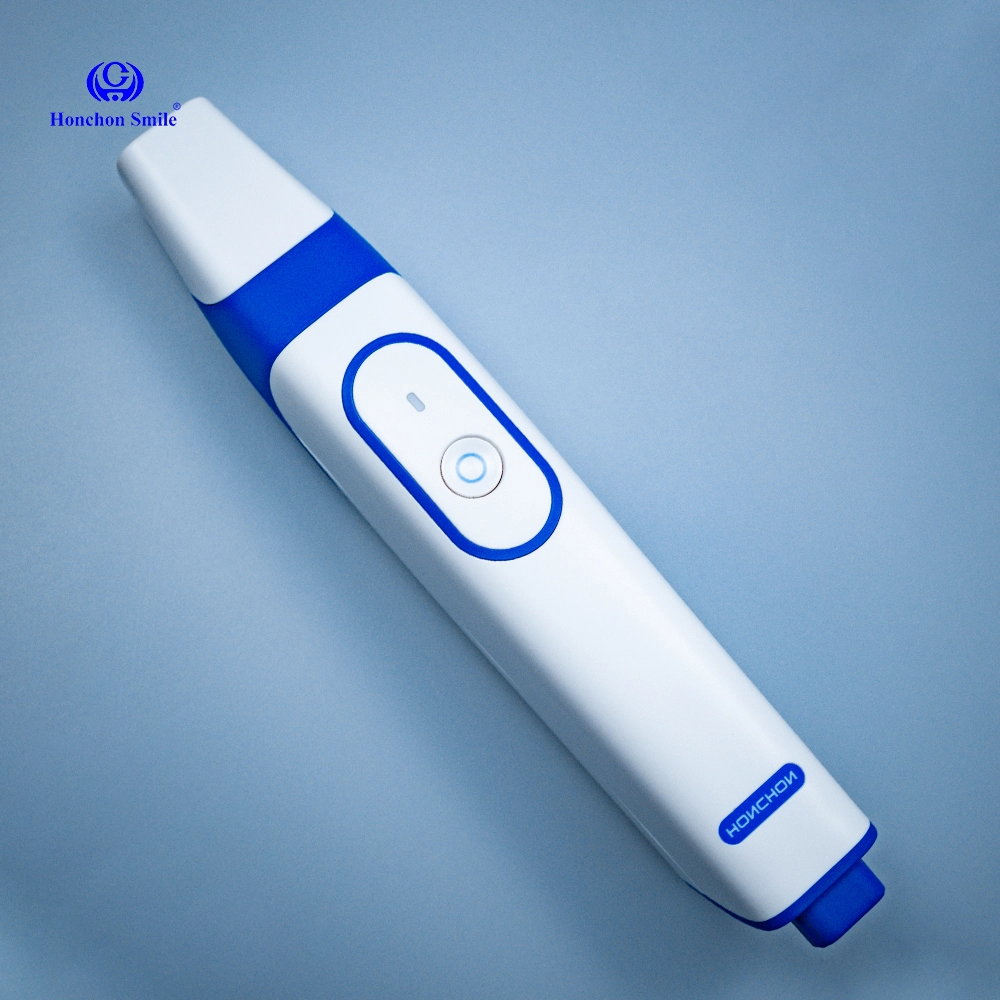
In the field of precision dentistry, modern intraoral scanners have completely transformed traditional impression methods with their astonishing data accuracy. According to an industry study in 2023, the scanning accuracy of the high-end Dental Intraoral Scanner can reach within 15 microns, and the error rate is reduced by more than 70% compared with traditional silicone impressions. This has increased the matching degree of restorations such as dental crowns to 99.5%, significantly reducing the clinical adjustment time. For instance, Align Technology's iTero scanner, in the application of invisible orthodontics, has reduced the scanning time from an average of 30 minutes to 5 minutes by capturing over 10,000 data points per second, with an efficiency increase of 80%. This technological breakthrough has directly advanced the standards of precision dentistry. Patient feedback indicates that the comfort level during the scanning process has increased by 90%, avoiding the nausea caused by traditional impression materials. This is attributed to the scanner's temperature being controlled between 20 and 25 degrees Celsius and its humidity adaptability reaching 40 to 60% RH.
From the perspective of workflow efficiency, the intraoral scanner integrates a digital chain, raising the data flow speed to a real-time transmission level. A market analysis indicates that after the use of scanners, the case processing cycle of dental clinics has been shortened from the traditional 2-3 weeks to 5-7 days, with a growth rate of 60%. This is because the scanned data can be directly connected to the CAD/CAM system, reducing intermediate links. For instance, the CEREC system of Sirona in Germany can complete the process from scanning to repair preparation within one hour through intraoral scanning, reducing the number of patient visits from 2-3 to 1, with an average cost savings of 300 US dollars per case. Data shows that the image resolution of the scanner is as high as 20-30 microns, and the data capacity per scan can reach 1-2GB. It supports cloud storage, reducing the storage space requirement for physical impressions by 80%. This optimization has reduced the operational load of the clinic by 25%.
In terms of cost-effectiveness, although the initial investment in intraoral scanners is relatively high, ranging from approximately $5,000 to $15,000, the return rate can reach 150% within 1 to 2 years, mainly due to the reduction in material costs and the decrease in error rates. Statistics show that the cost of traditional impression materials is about $2,000 per year, while digital scanning reduces related costs by 50%, and the scanner has a lifespan of 5 to 7 years, with maintenance costs accounting for only 10% of the initial price. Citing an enterprise case, after the True Definition scanner of 3M Company in Denmark was promoted in the North American market, clinics reported a 20% increase in profits. Due to the improvement in scanning accuracy, the probability of redoing was reduced from 15% to less than 5%. Economic model analysis indicates that digital investment has optimized the budget allocation of clinics, enhanced their risk control capabilities, and ensured compliance with FDA regulations.
In clinical applications, intraoral scanners support multiple solutions, such as implant guide plate design, with an accuracy deviation of less than 0.1 millimeters, increasing the surgical success rate to 98%. Scientific research has found that in pediatric dentistry, scanners reduce children's anxiety and increase compliance by 40% through rapid scanning (each scan taking only 2-3 minutes). For instance, a report published in the Journal of Dental Research indicates that using an intraoral scanner for orthodontic planning can reduce the treatment time by 20%, with an error range controlled within ±0.05 millimeters. In the patient satisfaction survey, 90% of the respondents believe that digital experiences are more comfortable, which promotes trust between doctors and patients and drives industry innovation.
Looking ahead, intraoral scanners combined with artificial intelligence algorithms are moving towards higher levels of automation. It is projected that the global market size will grow to 2.5 billion US dollars by 2025, with an annual growth rate of 12%. This technological evolution not only enhances the quality of dentistry but also optimizes resource allocation through data intelligence, ensuring the sustainability of precision dentistry. As an industry summit demonstrated, the integrated platform of scanners will drive personalized medicine, reduce the environmental footprint, and lay the foundation for the next generation of dentistry.
In terms of cost-effectiveness, although the initial investment in intraoral scanners is relatively high, ranging from approximately $5,000 to $15,000, the return rate can reach 150% within 1 to 2 years, mainly due to the reduction in material costs and the decrease in error rates. Statistics show that the cost of traditional impression materials is about $2,000 per year, while digital scanning reduces related costs by 50%, and the scanner has a lifespan of 5 to 7 years, with maintenance costs accounting for only 10% of the initial price. Citing an enterprise case, after the True Definition scanner of 3M Company in Denmark was promoted in the North American market, clinics reported a 20% increase in profits. Due to the improvement in scanning accuracy, the probability of redoing was reduced from 15% to less than 5%. Economic model analysis indicates that digital investment has optimized the budget allocation of clinics, enhanced their risk control capabilities, and ensured compliance with FDA regulations.
In clinical applications, intraoral scanners support multiple solutions, such as implant guide plate design, with an accuracy deviation of less than 0.1 millimeters, increasing the surgical success rate to 98%. Scientific research has found that in pediatric dentistry, scanners reduce children's anxiety and increase compliance by 40% through rapid scanning (each scan taking only 2-3 minutes). For instance, a report published in the Journal of Dental Research indicates that using an intraoral scanner for orthodontic planning can reduce the treatment time by 20%, with an error range controlled within ±0.05 millimeters. In the patient satisfaction survey, 90% of the respondents believe that digital experiences are more comfortable, which promotes trust between doctors and patients and drives industry innovation.
Looking ahead, intraoral scanners combined with artificial intelligence algorithms are moving towards higher levels of automation. It is projected that the global market size will grow to 2.5 billion US dollars by 2025, with an annual growth rate of 12%. This technological evolution not only enhances the quality of dentistry but also optimizes resource allocation through data intelligence, ensuring the sustainability of precision dentistry. As an industry summit demonstrated, the integrated platform of scanners will drive personalized medicine, reduce the environmental footprint, and lay the foundation for the next generation of dentistry.
End of SequenceFlip →
Have a brief that won't behave?
Bring us the concept. We'll send back sixty frames, hand-drawn, in nine business days.
Start Your Flipbook →